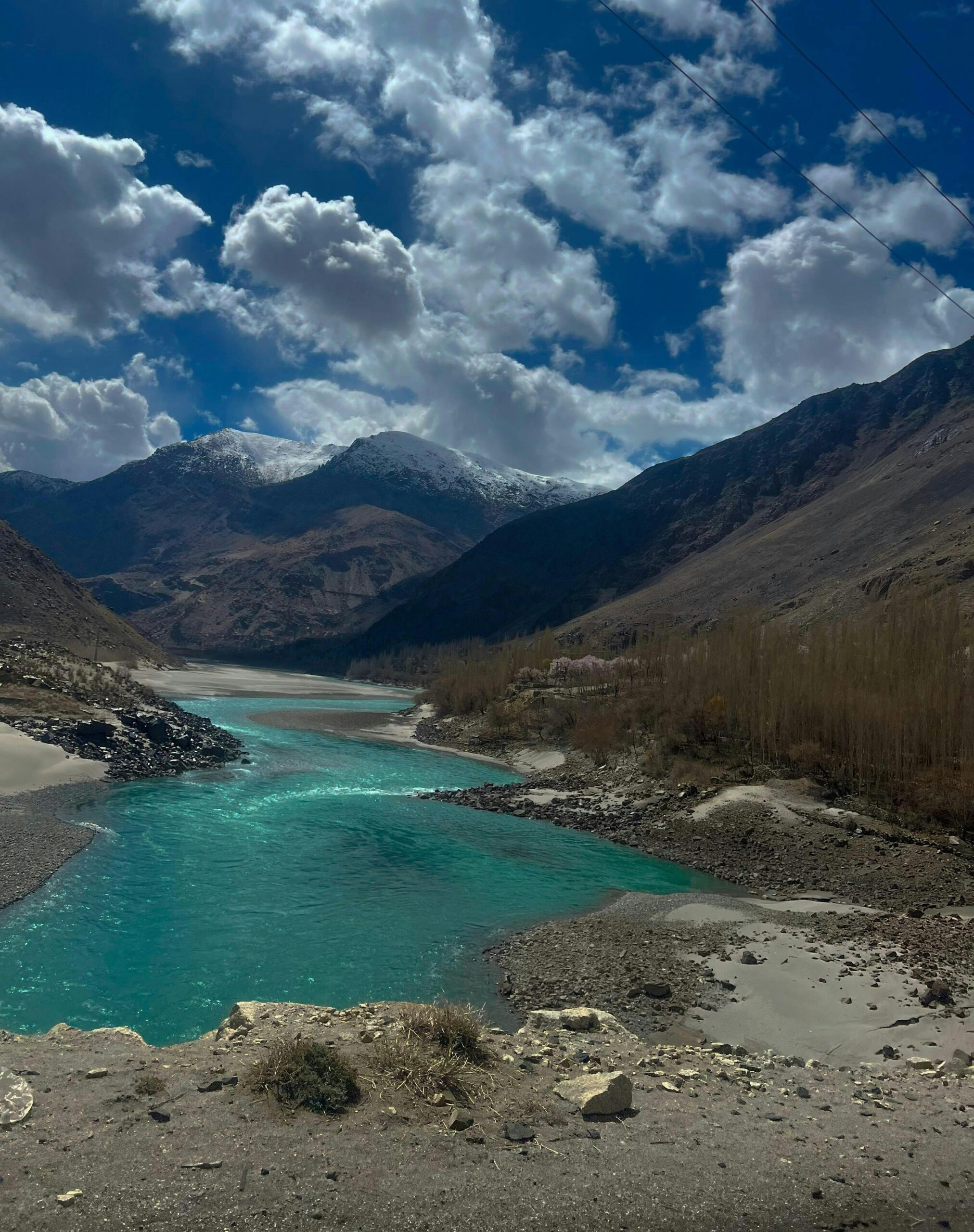
Someone once told me Skardu is “heaven on earth” and I honestly rolled my eyes. Every tourism page says that about literally everywhere. Turns out, they weren’t exaggerating this time. Standing there with the Karakoram peaks all around me, I got it. Skardu isn’t a place you just visit and move on from. Something about it sticks.
People here call it the “Land of Giants.” Makes sense once you see the mountains up close — you feel tiny in a way that’s hard to explain unless you’ve actually stood there.
The Magical Kachura Lakes;
If I had to pick one thing to recommend, it’s the two Kachura Lakes. They’re close to each other but feel like completely different places.
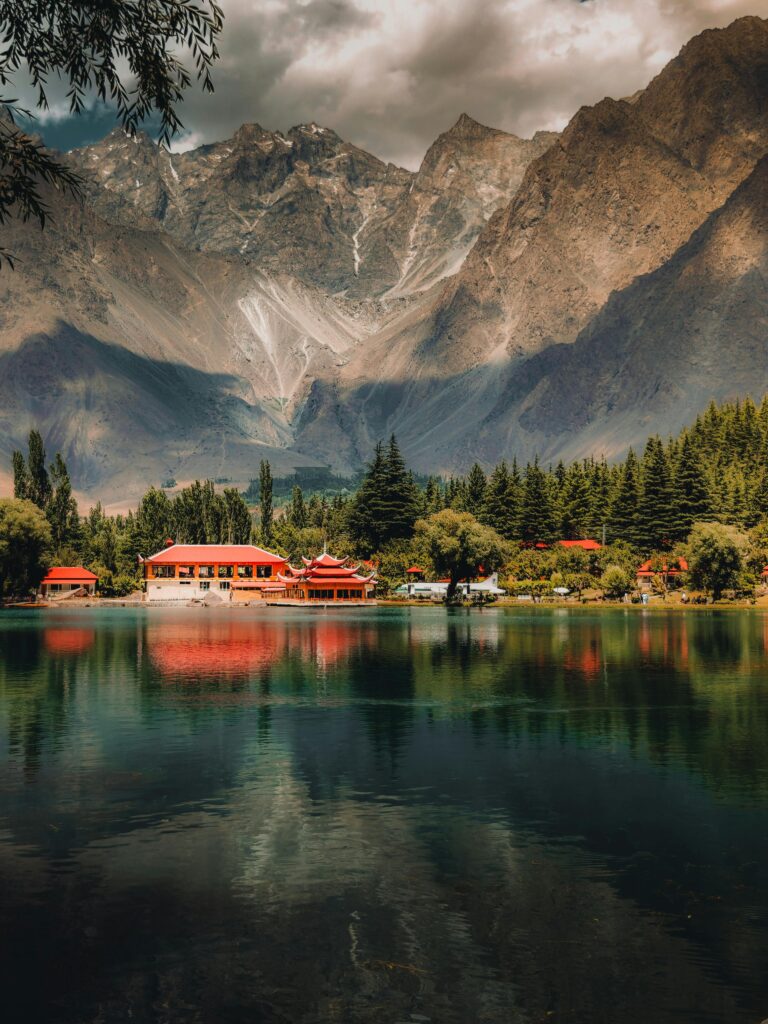
Lower Kachura, or Shangrila Lake as most people call it because of the resort, has these red-roofed cottages along the edge. On a still day the water barely moves and you get this near-perfect reflection of the mountains — I sat there with chai for probably an hour just watching it change as the sun moved. Nothing dramatic happened. It just felt good to sit and not check my phone for once.
Upper Kachura is a short drive up and it’s rawer. No resort, no cafe, just clear blue water surrounded by these tall jagged rocks. I got on a small boat and it was quiet in a way I’m not used to — no traffic sounds, no people talking, just water against the oars.
There’s More Than Lakes Here
What actually surprised me about Skardu was the variety. I went for mountains and lakes and ended up seeing a desert, some old forts, and a plateau that didn’t feel like it belonged in the same trip.
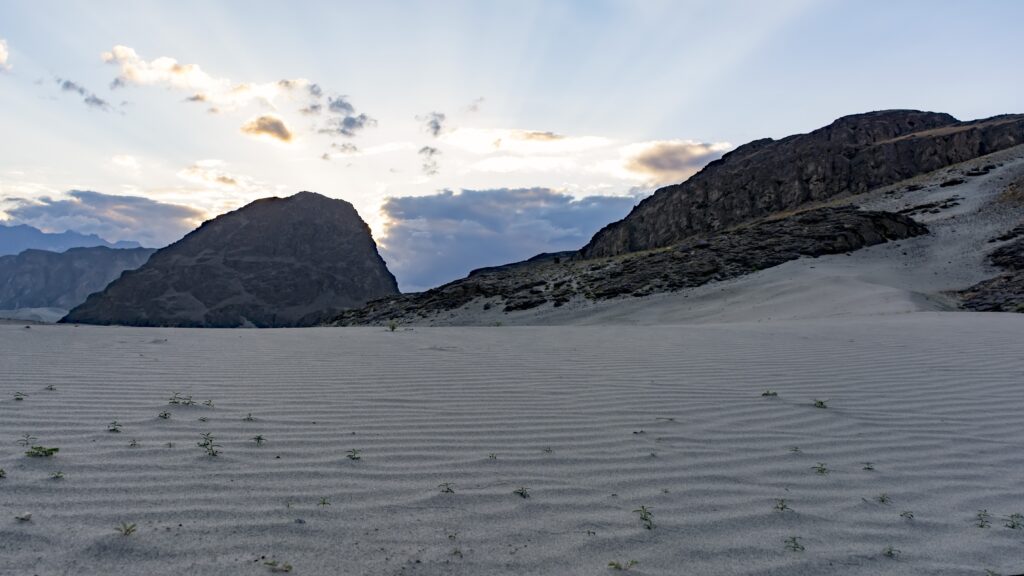
The Sarfaranga Cold Desert is one of those places photos don’t do justice. Sand dunes, but ringed by snow-covered mountains. Felt weird standing there — like my brain couldn’t figure out what season it was supposed to be.
Deosai was probably my favorite part, if I’m being honest. It’s one of the highest plateaus in the world and in summer it just turns green, covered in wildflowers, animals wandering around like they own the place (which, fair, they kind of do). You feel small out there. Not in a bad way.
For the history side of things, Shigar Fort and Khaplu Palace are worth the stop. Old architecture, a lot of it still intact, and you can tell the region had a whole royal history most tourists probably never hear about.
Kharpocho Fort deserves its own mention too — “King of Forts,” built way back in the 16th century, sitting up on a cliff over the town. Getting up there isn’t easy, it’s a proper hike, but once you’re at the top and can see the Indus River curling through the valley below, it’s worth the legs burning.
Adventure and Trekking:
Skardu is also where serious climbers start their trips to K2, Broad Peak, and the Gasherbrum peaks. Not casual stuff — icy, dangerous terrain, only for people who actually know what they’re doing.
But you don’t need to be one of those people to enjoy this place. I’m definitely not a mountaineer and I still found more than enough to do — walking along the Indus, wandering through the valleys, short hikes near the base of the Karakoram. Honestly some of those short walks gave me views I still think about.
A Night at Katpana Desert
This wasn’t even planned, but staying a night at Katpana Desert (also called the Cold Desert) ended up being one of the best parts of the trip. It’s high up, and in winter the dunes get a light layer of snow on them, which looks strange but kind of beautiful.
Walking on the sand during the day was already interesting enough. But after dark, away from any lights, the stars just took over the whole sky. I don’t think I’ve seen that many stars anywhere else. If you can, camp there overnight. Watching the sky go from sunset to full of stars over the dunes is one of those things you don’t really forget.
Best Time to Go
Depends what you’re after, honestly.
Summer — May to October roughly — is when most people go. Weather’s easier, roads are open, and you can actually get into places like Deosai that shut down otherwise. Everything’s green, air feels lighter. Easiest season if you don’t want to deal with closures or bad weather.
If you’re into photography though, autumn (late October into November) hits different. It gets cooler, the trees turn gold and red, and the mountains still have some snow sitting on top. Quieter too, fewer crowds. Honestly might be the better season for pictures.
Why It Sticks With You
Skardu works whether you want peace and quiet or something more adventurous — it’s got both. The lakes are calm, the mountains are massive, and the people were some of the kindest I’ve met while traveling anywhere.
What got me though was how much it stayed in my head after I left. Random moments — the sunrise over the desert, a quiet walk in the valley — kept popping back into my memory for weeks. Cliché as it sounds, calling it “heaven on earth” isn’t too far off.
Things You Need to Know Before You Go
Before you pack your bags for Skardu, there’s a few things I wish someone had told me. First, the road journey matters more than people admit — whether you’re flying into Skardu airport or driving up from Islamabad via the Karakoram Highway, give yourself extra time.
The flights get cancelled a lot because of weather, so don’t book anything too tight around it, and if you’re driving, the KKH trip alone can take 20+ hours depending on where you stop. Cash is another thing — ATMs are limited once you’re outside the main town, so carry more cash than you think you’ll need.
Network coverage is patchy too, especially near Deosai and the lakes, so don’t expect to be posting stories in real time everywhere. Pack layers no matter what season you’re going in — even in summer, evenings get cold fast once the sun drops behind the mountains. If you’re planning on Deosai or any of the higher altitude spots, a jacket that actually blocks wind is worth more than you’d think.
Also, a lot of the roads to places like Upper Kachura or Deosai are rough, so if you’re renting a car, go for something with decent ground clearance rather than a regular sedan. And book your hotels ahead during peak summer months — Skardu gets busy between June and August and last-minute rooms can be hard to find or overpriced.
Final Thoughts
Skardu isn’t the kind of trip you plan and forget about a week later. It’s the kind that quietly changes how you think about travel. I went in expecting nice photos and came back with something closer to a shift in perspective — watching the sun rise over Katpana’s dunes, or just sitting by Shangrila Lake doing absolutely nothing, those are the moments that stuck with me longer than any “top attraction” ever did. It’s not always easy — the roads are long, the weather can be unpredictable, and parts of it require real effort to reach. But that’s kind of the point.
The places that ask more of you tend to give more back. If you’re someone who wants a trip that’s more than just a checklist, Skardu delivers that. And if you end up loving it as much as I did, don’t stop there — the valleys of Naran and Kaghan carry a similar kind of magic and deserve a spot on your next trip too.
GlanceAsia Verdict
| Category | Rating | Notes |
|---|---|---|
| Scenery | 5/5 | Genuinely some of the best landscapes in Pakistan, from lakes to deserts to plateaus |
| Accessibility | 3/5 | Flights get cancelled often, road trip is long; worth planning around |
| Best For | Nature lovers, photographers, adventurers | Something here for both relaxed travelers and serious trekkers |
| Ideal Duration | 4–6 days | Enough time to cover the lakes, Deosai, and a desert without rushing |
| Best Season | Summer (May–Oct) for access, Autumn (Oct–Nov) for photography | Depends on your priority — accessibility vs. visuals |
| Budget Friendliness | 3/5 | Mid-range overall; costs rise during peak summer season |
| Overall Rating | 4.5/5 | One of Pakistan’s must-visit destinations, minor points off for accessibility |
Skardu earns its reputation. It’s not a perfectly polished, easy-access destination — but that’s exactly why it still feels untouched compared to more commercialized spots. If you’re willing to put in a little extra effort to get there, it more than pays you back.
If Skardu left you wanting more, Pakistan has plenty more to offer. Naran Kaghan and Hunza are two destinations that deserve a spot on your list right after this one — each with its own kind of beauty, from Naran’s lush green valleys and pristine lakes to Hunza’s dramatic mountain views and rich cultural history. Together with Skardu, these three regions make up some of the most breathtaking parts of northern Pakistan, and each one brings something a little different to the table.
If you’re thinking about turning this into a longer trip and covering more ground, we’ve put together a detailed 7-day budget-friendly itinerary that walks you through exactly how to plan and manage a trip like this without overspending. It covers where to stay, how to get around, what to prioritize, and how to make the most of your time and money across these destinations. Whether you’re a first-time traveler to the north or looking to explore beyond the usual spots, it’s worth a read before you start packing.