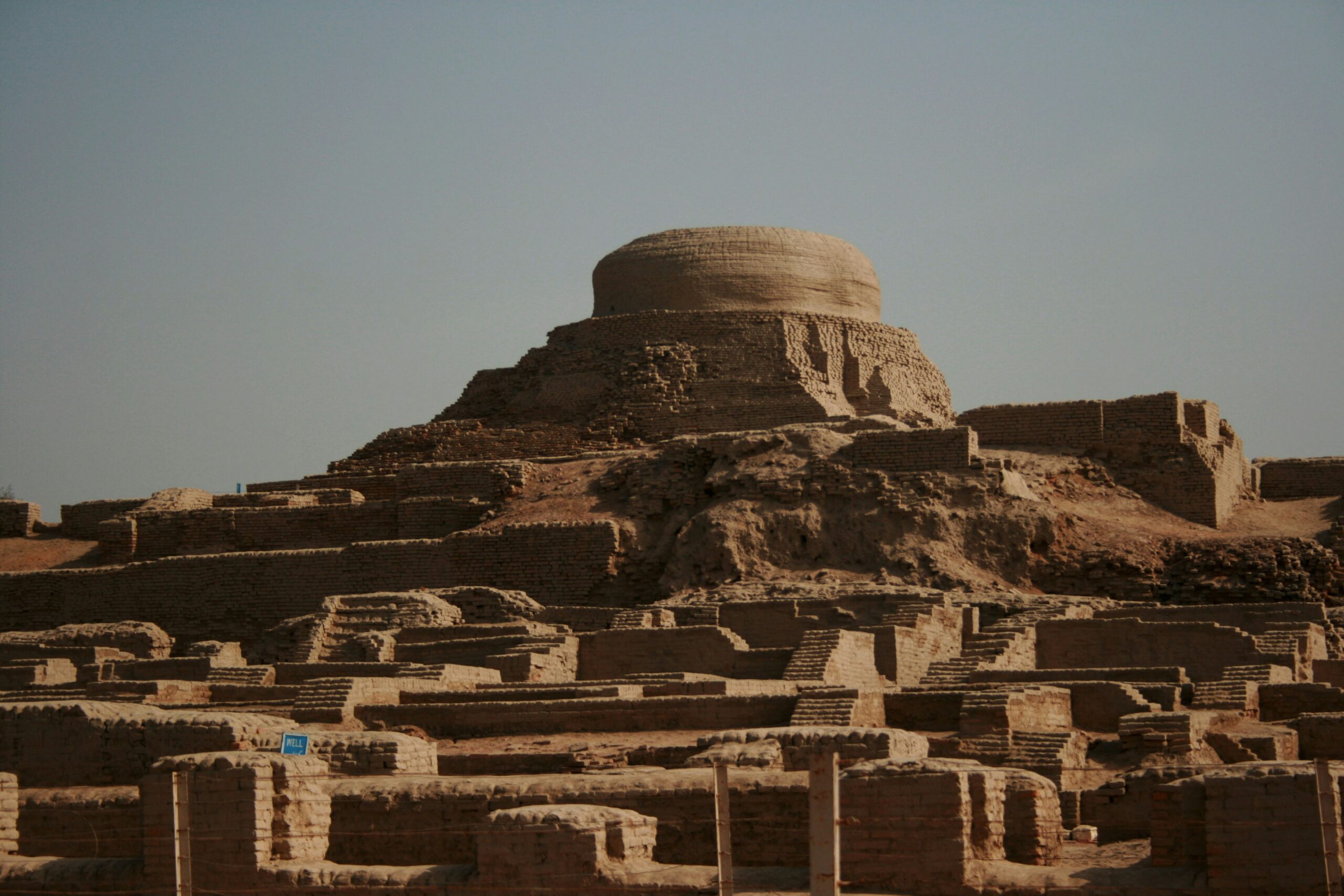
For all the splendour Egypt has to offer through its pyramids, nothing can compare to what hides in Sindh, Pakistan: an even older megalopolis called Mohenjo-daro. Dating back to around 2500 BCE, this “Mound of the Dead” was the jewel in the crown of Indus Valley Civilization.
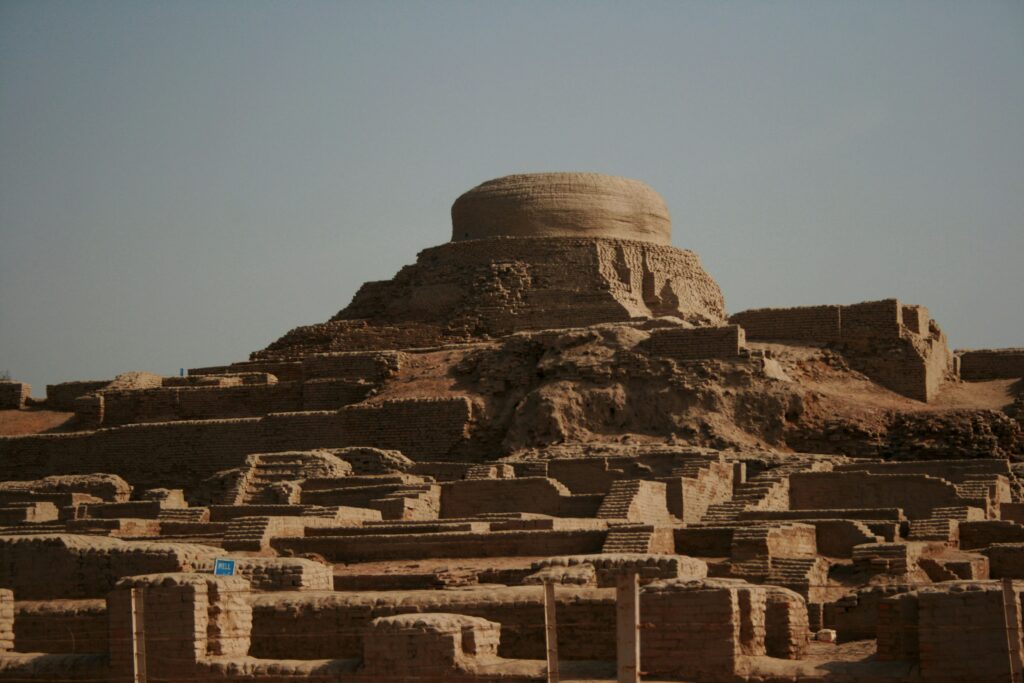
The Excavation History:
Mohenjo-daro was first discovered by an archaeologist named D.R. Bhandarkar in 1911. At first, he thought it was just another Buddhist site, but in 1922, archaeologist R.D. Banerji realized that it was an old civilization and started proper excavation.
This excavation was continued till 1965 and after that all the research was banned because the digging was causing more damage to the ruins. Only surface research was allowed; in 2015 it was revealed that the area was much bigger than we have discovered.
Mohenjo-daro, which is situated in Pakistan’s Sindh province, is an excellent example of the ancient Indus Valley Civilization. Established around 2500 BC, this archaeological marvel was nominated as a UNESCO World Heritage Site for its superior urban development, grid system, street plan and drainage systems which were advanced by thousands of years.
Travelers can stroll along the ruins which consist of bricks and see the Great Bath or the Stupa of Buddha for a chance to experience an ancient society which appears to have led a peaceful and happy bronze-age life.
The Undeciphered Script:
The people of Mohenjo-daro had their own writing system which is called Indus Script. It has been found on over 4,000 seals, tablets and objects discovered at the site. The script has more than 600 symbols. Despite 100 years of trying, no scholar of the world has decoded it till now.
We still don’t know what language they really spoke or what they even called their city. We don’t really know about their civilization, law, religion, or anything.
A Masterpiece of Urban Planning:
Mohenjo-daro is not famous just because it’s old, a lot of things are old. It is famous just because of its sophistication. Thousands of years ago, it hosted:
- Grid Layout: Straightened Highway Rd & Main Sts, as well as Side Lanes that look like a present city.
- Better sanitation: The world’s first drain cover! A private bath reached in each home, and a sewage network that the rest of Europe wouldn’t have for millennia.
- The Great Bath: Almost impossible to construct, a vast, waterproof public swimming pool whose function was merely social or religious ritual, that is an ancient engineering wonder.
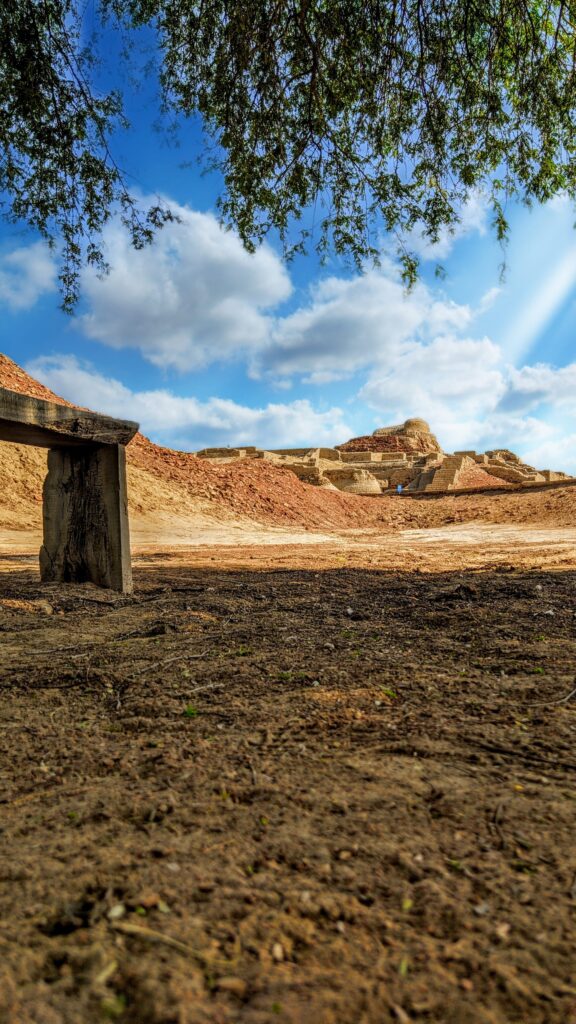
The Mystery of Its Decline:
By 1900 BCE, this massive city of 50,000 people had mysteriously disappeared. It is still unknown, however, if it was on account of changing rivers, the flood, or climate change. With their script long undeciphered, the city’s last secrets are also locked in its bricks.
Well, the site has given us two treasures for keepers of a world-famous kind.
- The Priest-King: A stone statue of a bearded man which represents the organized city leadership.
- Dancing Girl — A unique bronze statuette representing the great artistry of the Harappan people.
The Daily Life of an Indus Citizen
When you walk through the streets of Mohenjo-daro, it is really interesting to think about the people who used to live here. Mohenjo-daro wasn’t just an architectural achievement — it was a whole society that worked well, built on peace and mutual respect. The people who lived in this city were very good at growing food and were also very good at trading with other people.
We can see from the things that have been found like jewelry, nice pottery and toys for kids that the people who lived here had a life with a lot of structure.
The people who lived in the Indus Valley were known for having a sense of style when it came to clothes, and it seems, they were some of the first people to use really good cotton. Their lives were focused on their homes, which had bathrooms and a good system for getting rid of waste. They made sure to balance their life at home with things and religious things and they probably thought that making things and working together was more important than fighting. The way they set up their cities is still something that city planners today can learn from.
Travel Tips for Visitors:
Getting There: Fly from Karachi to Mohenjo-daro Airport (near Larkana), then take a short cab ride — it’s just 28 km from Larkana. If driving from Karachi or Sukkur, hire a reliable private car, since public transport is infrequent.
Best Time to Visit: October to February is ideal — Sindh’s summer temperatures can hit 45–50°C, making outdoor exploration risky and uncomfortable.
-
Dress Appropriately: You will be doing a significant amount of walking over uneven terrain, so wear comfortable, sturdy walking shoes or sneakers. Since you will be outdoors, dress in lightweight, breathable clothing. It is also highly recommended to wear a hat or cap and carry high-SPF sunscreen to protect yourself from the harsh desert sun.
-
Hire a Local Guide: The ruins of Mohenjo-daro are vast and complex. While the structures are impressive, the historical context is what brings them to life. Hiring a certified local guide at the entrance will provide you with fascinating insights into the grid system, the Great Bath, and the daily lives of the Indus people that you might otherwise miss.
Why It Matters:
Mohenjo-daro is more than just a historical site; it is a profound reminder that human innovation, social organization, and architectural brilliance flourished in this region thousands of years before the modern era. When you stand amidst these ancient ruins, you are not just looking at old bricks, you are witnessing the foundational spirit of civilization itself. It is a powerful testament to our collective past, proving that humanity has always sought to build, organize, and create environments that foster community and comfort. Rediscovering these ruins allows us to appreciate the “soul” of an ancient world that continues to influence how we understand urban life, sanitation, and governance today.
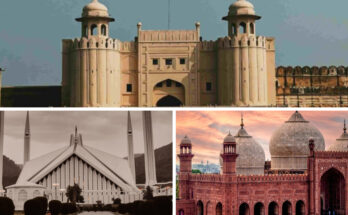
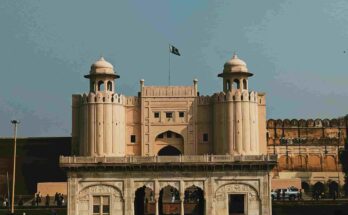
After Mohenjo-daro, you can also visit the Lahore Fort.
Final Thought
Standing among the ruins of Mohenjo-daro, it’s hard not to feel a strange kind of humility. This wasn’t a palace built for one king’s glory — it was an entire city designed for the comfort of ordinary people, thousands of years before anyone had a word for “urban planning.” The straight streets, the covered drains, the private baths in nearly every home — none of it was an accident. Someone sat down, thousands of years ago, and thought carefully about how people should live together. That’s the part that stays with you long after you’ve left.
What makes Mohenjo-daro different from most ancient sites isn’t just its age — it’s the mystery wrapped around it. We can walk its streets and study its bricks, but we still don’t know what its people called themselves, what language they spoke, or why, after centuries of prosperity, the city was suddenly abandoned. The Indus Script sits right there on hundreds of seals, fully visible, completely unreadable. It’s rare to stand somewhere this well-preserved and still feel like you’re only seeing half the story.
For a history lover, that’s exactly the appeal. Mohenjo-daro doesn’t hand you easy answers. It hands you a city that clearly worked — planned, organized, peaceful by all appearances — and then leaves you to wonder about everything it never told us. Pair a visit here with nearby Sindhi culture and food, and you get more than a history lesson; you get a quiet, dusty reminder that sophisticated civilization didn’t start with us.
If you’re building a Pakistan itinerary around history and architecture, Mohenjo-daro deserves more than a rushed afternoon. Give it the time it deserves, hire a good guide, and let the silence of the ruins do most of the talking.
At a Glance Verdict:
| Category | Rating |
|---|---|
| Historical significance | ⭐⭐⭐⭐⭐ (5/5) |
| Uniqueness | ⭐⭐⭐⭐⭐ (5/5) |
| Ease of access | ⭐⭐⭐ (3/5) |
| Best for | History lovers, archaeology enthusiasts |
| Time needed | 2–3 hours |
| Overall | ⭐⭐⭐⭐(4/5) |